“necessary conditions” search results (900)

How to drink coffee correctly
There are different flavors of coffee. You can't drink three or four cups in a row like tea or cola, but the formal coffee cup is the best. The average amount of coffee to drink is 80-100cc. Sometimes if you want to drink three or four cups in a row, you have to dilute the concentration of coffee or add a lot of milk, but you still have to consider the degree of physical demand to add or decrease the concentration of coffee.
2014-07-25 Drink coffee taste coffee coffee culture
How to drink coffee is the best
(1) No milk is the most widely used coffee condiment. Traditionally, milk has never been added to coffee in some countries such as Yemen, Ethiopia and Turkey. It is widely believed that milk was first added to coffee by Monin in Grenoble in 1685. In the mid-1980s, 57% of people in the United States drank coffee with milk, while Germany had a high percentage.
2014-09-01 Coffee knowledge how to drink coffee coffee drinking skills good coffee
Raw bean treatment of coffee washed with water, semi-washed, insolated and honey
The first is dry treatment (secado), also known as natural all-day exposure (natural). After the coffee fruit is actually picked, it is dried directly in the sun. According to the weather conditions, it is generally necessary to dry the coffee beans for 2 weeks to reduce the water content of the coffee beans to 10%, 12%, and then use a machine to remove the dried peel and pulp. The raw bean processing plant (beneficio) usually retains the sheepskin on the outside of the coffee beans when the raw beans are stored.
2015-11-04 Coffee washing tanning processing raw beans a kind of treatment secado also known as
Fine Coffee Learning Instant Coffee
The decline and growth of coffee around the world has also led to a multi-dimensional development of coffee, and the deepest impact is the problem of instant coffee (Instant Coffee Powder Powder). Instant coffee has the characteristics of easy to use, breaking the usual bundles of brewing coffee, and quickly integrated into the food industry. The use of instant coffee in China
2015-01-22 Boutique Coffee Instant correct solution Cream Global form
The color, aroma, and taste of coffee
Coffee's color, aroma, and taste are the result of complex chemical changes that occur through roasting.
2014-07-04 Coffee knowledge coffee taste color and aroma coffee encyclopedia
Flavor description of Pacas Coffee beans in Honduras introduction to the treatment of Grinding degree in Manor
The granules of coffee beans in Honduras are large in shape, uniform in size and glossy in color. In order to facilitate harvesting, farmers will prune the coffee trees to no more than 150 centimeters, because if they grow too high, they have to set up ladders to pick, which is not only time-consuming, but also may damage the trees by bending branches. As the ripening period of each fruit of the coffee bean is different, it is necessary to keep the coffee bean in good condition.
2016-10-24 Honduras Cass coffee beans flavor description taste manor grinding processing
Characteristics of Burundian coffee beans
Coffee features: 1. Make use of the regional advantages of Central Africa, without adding any mixed beans, secondary beans; 2. Baked with pure natural Arabica coffee beans; 3. Its fragrance is so rich that it can be smelled without opening the package, and the room is full of fragrance when cooking. Editor MM introduces to netizens how to taste delicious coffee: the taste of coffee is different, so it can't be like drinking.
2016-06-12 Burundi coffee beans characteristics coffee utilization Central Africa region advantages species
Introduction to Hawaiian Kona Coffee with rich aroma and uniform acidity
The good quality of Kona coffee should be suitable for the right geographical location and climate. Coffee trees grow on the slopes of volcanoes, and their geographical location ensures the altitude needed for coffee growth; the dark volcanic ash soil provides the necessary minerals for coffee; the climatic conditions are very suitable, and the morning sun gently passes through the steamy air. In the afternoon, the mountains will become more humid and
2016-06-20 Taste full-bodied aromatic acidity evenness Hawaii Kona coffee introduction
Problems that should be paid attention to when tasting coffee
(1) No milk is the most widely used coffee condiment. Traditionally, milk has never been added to coffee in some countries such as Yemen, Ethiopia and Turkey. It is widely believed that milk was first added to coffee by Monin in Grenoble in 1685. In the mid-1980s, 57% of people in the United States drank coffee with milk, while Germany had a high percentage.
2014-07-09 Coffee knowledge tasting coffee coffee attention
Coffee Culture in Colombia
Colombian Coffee-produced in Colombia, roasted coffee beans give off a sweet aroma, with sweet in acid and medium in bitterness, and are often used in high-grade blended coffee because of the right concentration. Colombian coffee has a kind of bitter experience, clear and astringent as life, but bitterness is necessary in life.
2015-04-28 Colombia Coffee Culture Coffee Origin roasted Post Coffee beans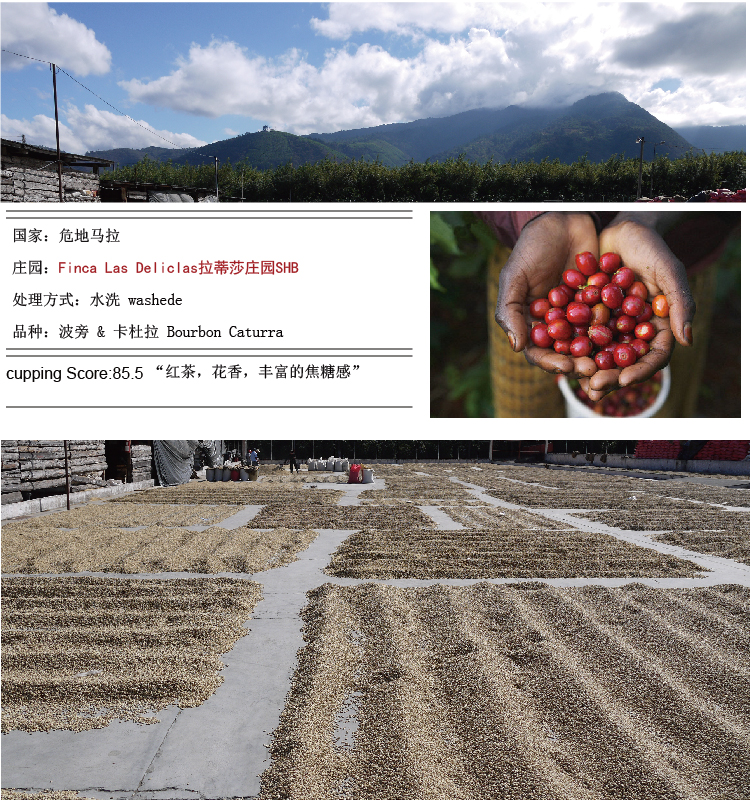
Please introduce the raw bean treatment method of coffee washing, semi-washing, sun drying and honey treatment.
The first is dry treatment (secado), also known as natural all-day exposure (natural). After the coffee fruit is actually picked, it is dried directly in the sun. According to the weather conditions, it is generally necessary to dry the coffee beans for 2 weeks to reduce the water content of the coffee beans to 10%, 12%, and then use a machine to remove the dried peel and pulp. The raw bean processing plant (beneficio) usually keeps the outside of the coffee beans when the raw beans are stored.
2016-04-14 Introduction Coffee Water washing Solar treatment Raw beans one secado
Problems that should be paid attention to when tasting coffee
(1) No milk is the most widely used coffee condiment. Traditionally, milk has never been added to coffee in some countries such as Yemen, Ethiopia and Turkey. It is widely believed that milk was first added to coffee by Monin in Grenoble in 1685. In the mid-1980s, 57% of people in the United States drank coffee with milk, while Germany had a high percentage.
2014-05-23 Coffee knowledge evaluation of coffee
Encyclopedia of Coffee talking about the positive solution of instant coffee
The decline and growth of coffee around the world has also led to a multi-dimensional development of coffee, and the deepest impact is the problem of instant coffee (Instant Coffee Powder Powder). Instant coffee has the characteristics of easy to use, breaking the usual bundles of brewing coffee, and quickly integrated into the food industry. The use of instant coffee in China
2014-11-03 Coffee knowledge instant coffee coffee encyclopedia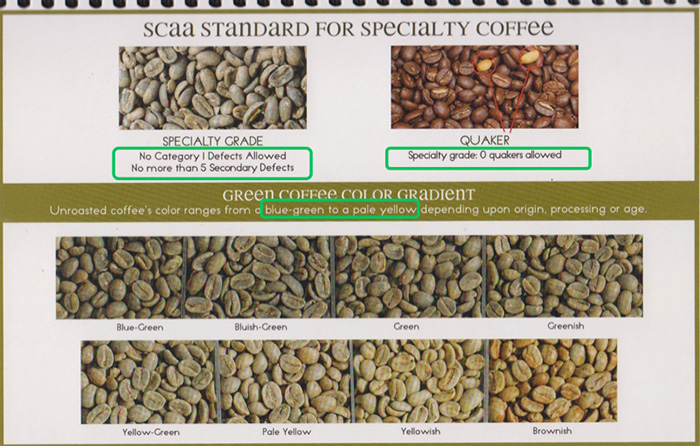
The standard of SCAA pecialty Coffee boutique coffee raw beans is necessary for a good cup of coffee.
The raw bean defects of SCAA can be divided into two types: I and II. The requirement for premium coffee grade (specialty coffee) is: 1. There are no class I defects; 2. No more than 5 II class defects 3. There can be no "quaker" (0 quaker) Quick beans in cooked coffee beans. 4. The color range of raw coffee beans is pale yellow (light yellow), yellow-green (
2015-12-05 SCAA pecialty Coffee boutique coffee raw beans
Dry treatment (natural full sun treatment), wet treatment (water washing and fermentation), semi-washing of coffee beans
Dry treatment (secado), also known as natural all-day exposure (natural). After the coffee fruit is actually picked, it is dried directly in the sun. According to the weather conditions, it is generally necessary to dry the coffee beans for 2 weeks to reduce the water content of the coffee beans to 10%, 12%, and then use a machine to remove the dried peel and pulp. The raw bean processing plant (beneficio) usually retains the parchment paper shell (par) on the outside of the coffee bean when the raw bean is stored.
2015-11-04 Coffee beans processed Natural Solar washed fermented treated secado
Questions to watch out for when tasting coffee Drink it hot
(1)No milk Milk is the most widely used coffee condiment. Traditionally, milk has never been added to coffee in countries such as Yemen, Ethiopia and Turkey. It is generally believed that milk was first added to coffee in Grenoble in 1685 by Monin. In the mid-1980s, 57 percent of Americans drank coffee with milk, and Germany had a high percentage.
2015-07-27 taste coffee attention problem hot not milk used widely one kind
Columbia Coffee Culture Coffee Culture History
Colombian Coffee-produced in Colombia, roasted coffee beans give off a sweet aroma, with sweet in acid and medium in bitterness, and are often used in high-grade blended coffee because of the right concentration. Colombian coffee has a kind of bitter experience, clear and astringent as life, but bitterness is necessary in life.
2015-07-28 Colombia coffee culture coffee cultural history origin roasting
What to do and what not to do when tasting coffee
(1) No milk is the most widely used coffee condiment. Traditionally, milk has never been added to coffee in some countries such as Yemen, Ethiopia and Turkey. It is widely believed that milk was first added to coffee by Monin in Grenoble in 1685. In the mid-1980s, 57% of people in the United States drank coffee with milk, while Germany had a high percentage.
2015-01-15 Tasting coffee should should not no milk widely used a kind of coffee
General knowledge of Coffee Culture Columbia Coffee Culture
Colombian Coffee-produced in Colombia, roasted coffee beans give off a sweet aroma, with sweet in acid and medium in bitterness, and are often used in high-grade blended coffee because of the right concentration. Colombian coffee has a kind of bitter experience, clear and astringent as life, but bitterness is necessary in life.
2015-01-15 Coffee culture common sense Columbia coffee origin roasting later
Detailed rules for the examination of roasted Coffee production license
I. the scope of licensed products and the application unit to implement the management of food production license roasted coffee refers to the food made from coffee beans through cleaning, blending, roasting, cooling, grinding and other processes. Including: roasted coffee beans, coffee powder. The application unit is 1, that is, roasted coffee. The name of the certified product, that is, roasted coffee, shall be indicated on the production license. There is a production license
2014-10-08 Coffee knowledge roasting coffee coffee production